Greetings from Colorado! I’m conducting research for a forthcoming submission to MIS Quarterly Executive, exploring…
We Didn’t Build for Cows—and We Won
In 1994, I was part of a Radio Frequency (RF) engineering team at Metrocel Cellular. At the time, our strategy had been to chase Cingular’s footprint across the DFW Metroplex—a pursuit that took years and eventually led us to expand into Texas 6, from Texarkana to Wichita Falls. Just as we caught up, Cingular moved the goalposts again—offering subscribers seamless coverage across southern Oklahoma, from Oklahoma City to the Red River, with no roaming fees. Their ad campaign returned with a flourish: “Our coverage is bigger.”
That’s when Glenn Pfullmann and I took a step back.
Rather than match Cingular mile for mile, we proposed a different approach: extend Metrocel’s home range along I-35 from Dallas/Fort Worth to Austin—not to cover open land, but to focus on where people work.
We engineered a microwave-linked tower system to ensure reliable signal along that corridor—places where professionals traveled, met clients, and made calls that mattered. It was a smarter use of capital—tower leases, microwave gear, antennas, electrical—and a strategic shift that flipped the narrative.
Cingular could claim more coverage. But we could now claim better coverage.
And we did. Our campaign said it best: “We don’t build cellular service for cows. We build it for you.”
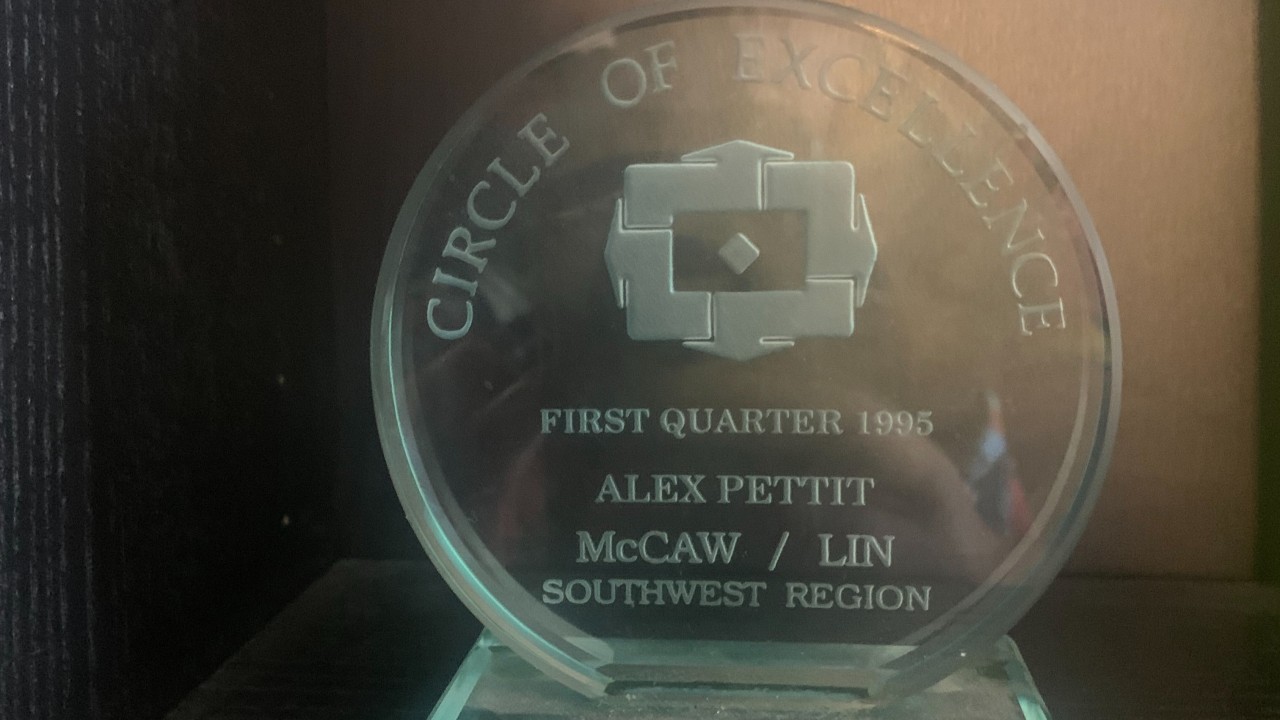
That strategy didn’t just win the argument—it won customers. Glenn and I were honored with a Circle of Excellence award for proposing, designing, and building the corridor system.
I still carry that lesson with me. Especially now, as I watch companies pour resources into solutions with no clear demand—Google Glass, the metaverse, and other moonshots chasing hype over need.
The takeaway? Innovation isn’t about being first, or being everywhere. It’s about being right—solving the right problems, in the right places, for the right people.
Whether in public or private sector roles today, that’s still the lens I use: Are we building where people are—or where we hope they’ll be? Are the technologies supporting human needs—or just our drive for efficiency?
In hindsight, that corridor strategy didn’t just win customers—it made Metrocel a far more attractive acquisition target. When McCaw Cellular came calling—and later, when AT&T acquired McCaw—we weren’t just selling towers. We were selling strategy.
Related Posts